Condo financing

Non-Warrantable Condo Loans in Colorado

A condo can be declined for reasons that have nothing to do with your credit, your income, or your down payment. When the building itself misses the project rules, most banks stop there. We keep going, because the building is only one of the three things being underwritten.

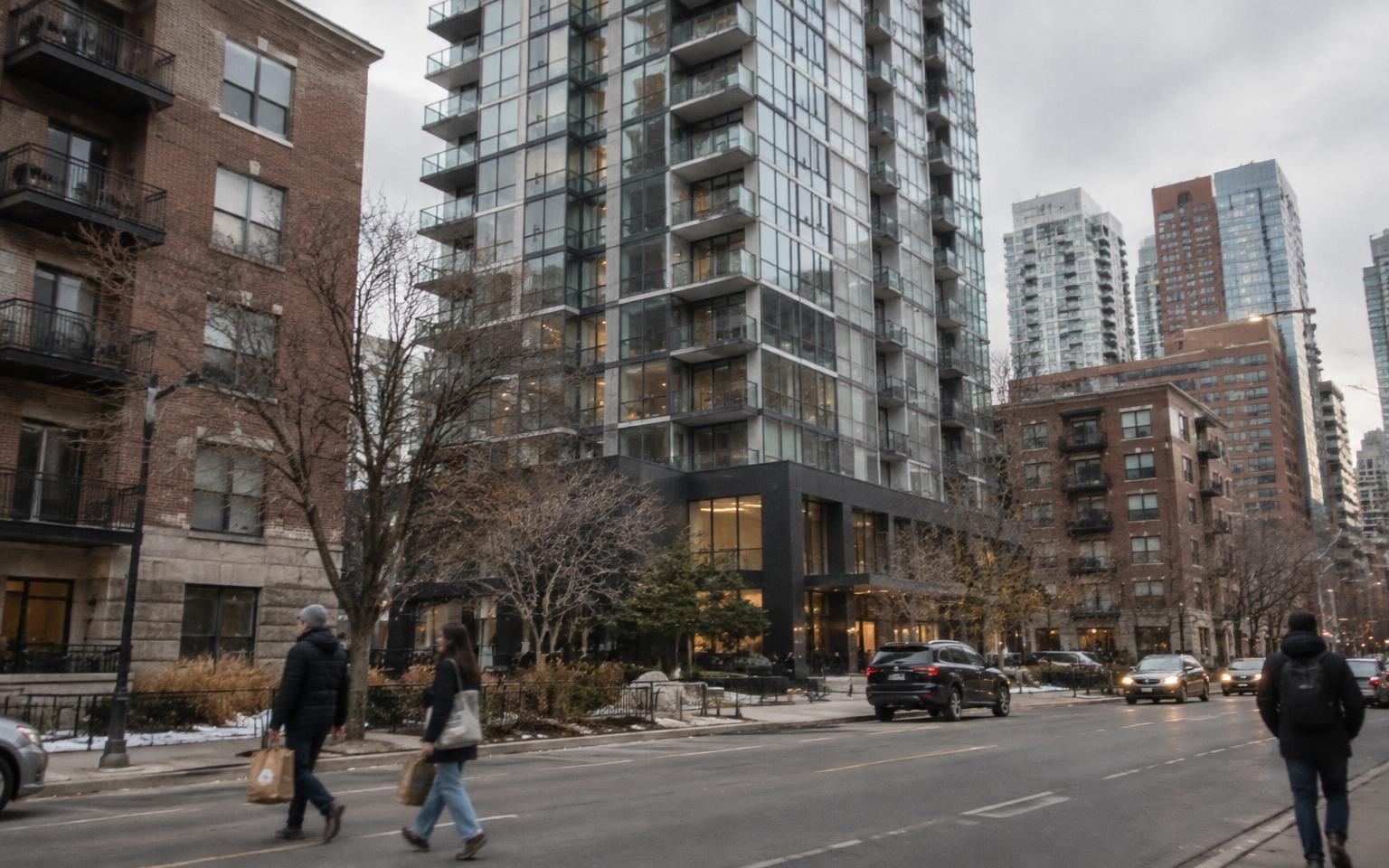
A downtown Denver condo block on a cloudy afternoon, brick and glass facades with pedestrians crossing in front

If a lender has already told you no on a condo, it is worth knowing why before you walk away from the unit. Often the borrower was never the problem. The building was.

As a broker we shop your file across wholesale mortgage banks rather than one institution's own shelf. Several of those banks run portfolio and non-QM condo programs written for buildings the conventional shelf will not touch.

  • You are one approval. The unit is the second. The building and association are the third.
  • A decline that names the building is a building problem, not a you problem.
  • The same project can fail one lender's review and pass another's on the same day.

What makes a condo non-warrantable

Most home loans in this country are agency loans, meaning the lender follows the selling guides published by Fannie Mae and Freddie Mac. Those guides include project standards the condo association has to meet, and they are about the building rather than the borrower.

When a project misses even one of those standards it is called non-warrantable. The unit can be in great shape and the association well run, and a bank that only sells agency loans will still decline it.

  • Pending litigation involving the homeowners association.
  • High investor or rental concentration, including buildings built around short term rentals.
  • One owner or one entity holding many units in the same project.
  • Commercial space taking up a large share of the building.
  • Low owner occupancy.
  • Thin HOA reserves or a budget that does not add up.
  • Deferred maintenance, or a special assessment already in motion.
  • New or unfinished construction that has not settled in.

How we finance them

We are a broker, not a bank. Your file goes out to wholesale lenders instead of a single institution's own products, and a number of those lenders keep portfolio and non-QM condo loans on their own books. Because they are lending their own money, they can write guidelines that fit real buildings instead of a checkbox.

That is the whole difference between a dead end and a detour. We match the project to the lender whose guidelines actually cover it, and we do that before you spend money on an appraisal or lift a contingency.

  • Primary homes in buildings the big banks turn away.
  • Second homes, including mountain properties.
  • Investment units, including buildings with a heavy rental mix.

What to expect

Portfolio and non-QM condo loans are real loans, but they are structured and priced differently from a standard conventional condo loan. It is better to hear that from us up front than to discover it in underwriting.

  • A larger down payment than a standard condo loan calls for.
  • A higher rate than a warrantable building would earn.
  • A full HOA questionnaire, association budget, and reserve review.
  • More documentation on the project, and more of it requested earlier.

Tips for buyers and agents

Many condo deals that fall apart could have been saved. A common pattern: the project documents arrived too late to matter.

  • Get the HOA questionnaire started early, ideally before an offer is written.
  • Ask the board or management company directly about litigation and any special assessments.
  • Check the rental restrictions, and whether short term rentals are actually being used in practice.
  • Ask how many owners are behind on dues and how much the association holds in reserves.
  • Talk to us before writing the offer. A project review costs nothing and can save a contract.

Colorado condo markets we see

Colorado's condo stock is not one market. Denver metro is mostly high rises and older garden style complexes, while the mountain towns carry an entirely different ownership profile.

  • Denver metro high rises and mid-rise buildings, including older complexes with long histories.
  • Mountain resort towns such as Breckenridge, Vail, Keystone, Steamboat Springs, and Winter Park.
  • Buildings with a heavy share of short term rentals, which most agency guidelines treat as added risk.

Questions about non-warrantable condos

Straight answers to the questions we hear most. If yours is not here, call or text 720-386-4071 and ask.

Questions about your own numbers?

Call or text 720-386-4071, or start the application and we will follow up the same day. The conversation is free, and the math is yours to keep.

Loan programs, terms and availability vary by lender and property and are subject to credit, income, property and project approval. This is not a commitment to lend.

Chat Now